By LeAnn Glover | YPFP Rising Expert for Africa | August 31, 2023 | Photo Credit: Flickr
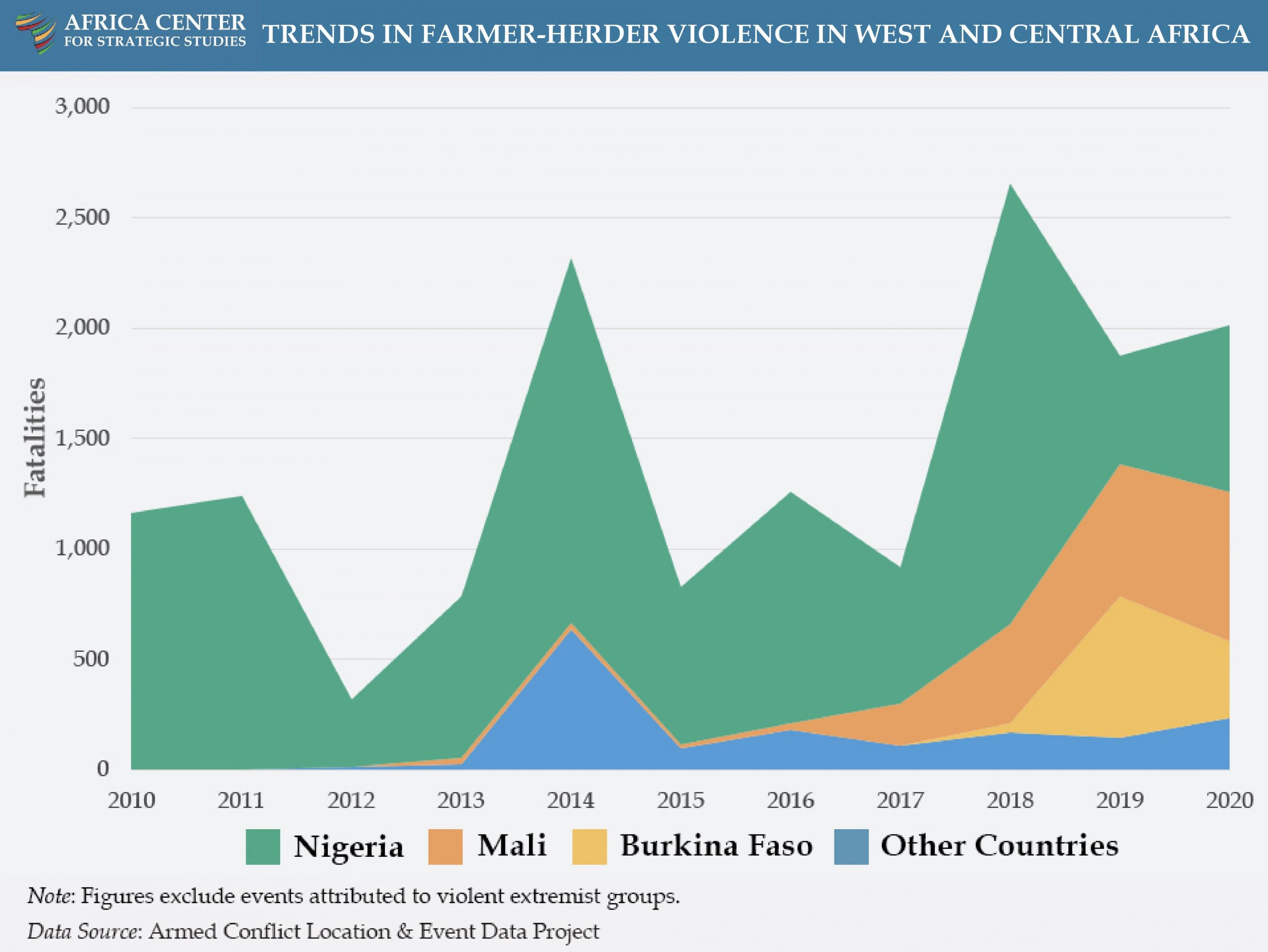
Land tenure issues are no stranger to the continent of Africa, but in the northern region of Nigeria tensions continue to rise as farmers and herders are desperate to draw lines. A result of land scarcity, especially for grazing cattle, has produced conflict between these two sides. Due to political and sociocultural factors, growing tensions have resulted in resource scarcity and loss of livelihood. As Nigeria’s population has increased, available land for farmers and herders has naturally decreased, leading to strained relations and more than 2,500 fatalities. In addition, government officials have taken sides, leading to false promises of renewed land demarcations to citizens, which has further escalated the conflict. The Farmer-Herder crisis is now regarded as the deadliest since Boko Haram, and an estimated 300,000 people have been forced to flee as a result of the rising violence. Understanding why and how the crisis has escalated is essential to evaluating how the Nigerian government may take steps to end it.
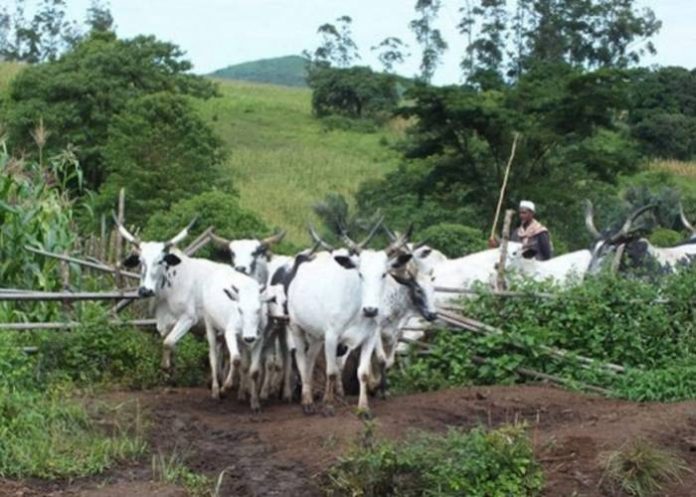
Nigeria’s rapid increase in population between 2001 until present by almost 98,000,000 people and the impact of climate change have led to a decline in grazing lands, thereby forcing herders and farmers into smaller areas. Herders depend on natural resources within these areas to feed the cattle, but as the population has risen, farmers have increasingly tried to control more land, often overlapping or encroaching into herders’ grazing routes. Due to a lack of government response, Nigeria’s herders and farmers are seeking their own justice. Further, politicians have exacerbated tensions by placing blame for farmers’ and herders’ woes on either party during campaign speeches, promising action but doing little when elected. Many of the government officials involved in land disputes have biases, frequently aiding or allocating land to one side rather than distributing it evenly.
In addition to the scarcity of land and lack of political action, religion increasingly plays a vital role in farmer-herder violence. The nomadic herders, from northern Nigeria, belong to the Muslim Fulani and Hausa tribes. Farmers, concentrated in the south, are mostly Christian. Heightened risks of extreme weather further threaten the availability of grazing land, in addition to forcing villagers in the region to migrate elsewhere due to extreme temperatures. The Sahel desert continues to move southward, with the sweltering heat and rain creating a desertification of the surrounding land for herders and villagers. Compounded with environmental degradation in the far north, these climate incursions in grazing grounds have led to heightened tensions and ensuing violence. As the fight for natural resources increases and said resources decrease, about 2,500 people have been killed.
As frustration increases on both sides due to the lack of proper governmental solutions, herders and farmers have turned to the use of arms to protect their rights to land. In this case, Nigeria is seemingly sticking with the habit of electing chiefs and state leaders in positions of power that promise to aid the community, but are consumed by greed and capital. Clashes between herders and farmers are often driven by basic misunderstandings of agreements and conditions around where one’s land begins and ends. Most blame has been placed on herders for committing random attacks of violence and killing farmers. Herders have demanded compensation and even attacked unaware farming communities in Plateau, Nigeria, killing women and children.
The government so far has been unable to quell the feuds, but has implemented hopeful steps aimed at providing a middle ground for farmers and herders, though politicians have exploited the conflict by way of favoritism in campaign speeches in order to gain votes or be elected into office. In many of the regions and states of Nigeria, local and state leaders have been appointed to reduce conflicts and violent attacks, though some have turned blind eyes to the situation. A “grade” is often put on the reported disputes for importance but is commonly eventually forgotten, leaving disputes unresolved.
Herders and farmers have both lost confidence in the rule of law in Nigeria due to the prolonged nature of the conflict and have taken matters into their own hands by retaliating against their neighbors. The increase in feuds over stray cattle in farmer territory or lack of control in crop growth can aggravate existing tensions. Weak government, poor and inadequate responses, and pastoralist regulations through expanding property lines amid climate crises have worsened the tension between herders and farmers.
To counter the rising conflict, the implementation of community meetings to discuss tensions may aid in resolving grievances caused by either party. Interventions and training for local and state leaders in addressing violence may help leaders come up with solutions or distribute militia in areas of extreme violence. Community meetings to discuss common practices and solutions to loss of land due to climate change may also help. Producing communal water wells for crops and utilizing cattle to regulate crop overgrowth could provide for a reduction in tensions by developing shared resources. Lastly, the creation of grazing reserves would allow for both parties to prosper. Enforcement and follow-through on the part of the state will be critical to ensuring that any such measures are more successful than past efforts.
Without a more effective government response, the state’s inaction may exacerbate the conflict beyond repair.
LeAnn Glover (she/her) is YPFP’s 2023 Rising Expert on Africa. She is a Project Assistant based in Washington, D.C, where she works mainly on locally-led development, human rights, climate change, and African development.




 Charged Affairs