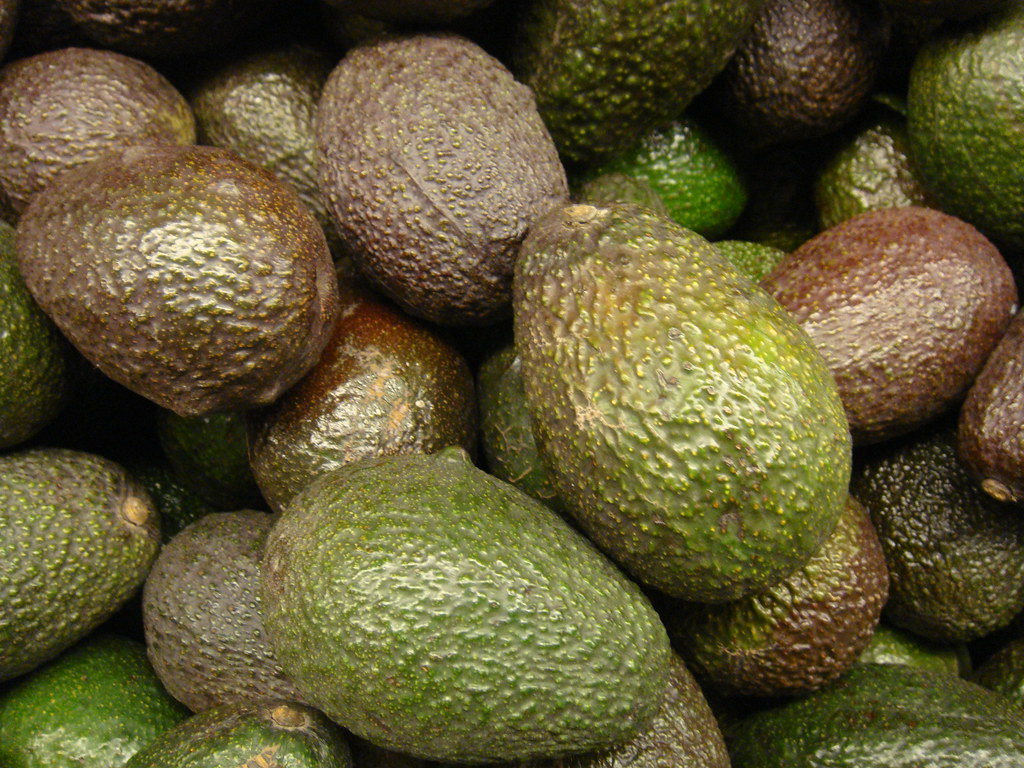
By Carolina Borjas | YPFP Member | July 17, 2024 | Photo Credit: Flickr
The surging global demand for avocados has made them a lucrative commodity, but Mexico’s avocado trade, like the blood diamond industry, exacerbates economic inequalities, violence, and environmental harm. Addressing these issues necessitates stronger supply chain regulations and ethical consumer choices inspired by lessons from the diamond trade.
Unfortunately, efforts to regulate the avocado and diamond industries have yielded mixed results. The Kimberley Process Certification Scheme aims to prevent “conflict diamonds” from entering the mainstream market but has gaps that allow some diamonds to slip through. Unlike diamonds, avocados currently lack equivalent certification processes. Recent events, such as the USDA’s suspension of avocado inspections in Mexico due to security concerns, highlight the need for stronger enforcement mechanisms. Immediate action is crucial.
As consumer choices influence the market, awareness campaigns promoting conflict-free alternatives like lab-grown gems have made a positive impact. Similar efforts could promote ethically sourced avocados.
***
The global avocado market parallels the global diamond market in several meaningful ways. Avocado trade worldwide was valued at $16.69 billion in 2022 and is expected to grow to $38.71 billion by 2031. The diamond industry is worth around $97.45 billion to $98.73 billion in 2022. The avocado market has become a critical economic driver in Mexico, which supplies nearly half of the world’s avocados. Diamonds have historically played a significant role in the economies of Sierra Leone and Angola. Unfortunately, the wealth generated from diamond mining and avocado farms often does not benefit local communities. Instead, powerful cartels or corrupt officials divert profits rather than reinvest in local infrastructure or social programs.
In Mexico’s Michoacán state, responsible for 80% of the country’s avocado production, there has been a rise in criminal cartels, increasing from four major ones in the past to 250 criminal units. Similarly, during Sierra Leone’s civil war in the 1990s, rebel groups financed their operations through illicit diamond mining.
Both avocado farming and diamond mining contribute to significant environmental degradation. Avocado farming requires a large amount of water, exacerbating water scarcity in arid regions. The global average water footprint for avocados is approximately 2,000 liters per kilogram, leading to water supply depletion and negative impact on ecosystems. Diamond mining activities have similarly led to havoc on local ecosystems, with significant deforestation in countries like Sierra Leone and Angola.
***
Consumer choices shape market trends, and awareness campaigns for conflict-free alternatives like lab-grown gems have reduced demand for mined diamonds linked to human rights abuses and environmental harm. For example, the “No Dirty Gold” campaign has raised awareness about ethical sourcing in jewelry. Similar strategies could promote ethically sourced avocados, addressing labor exploitation and deforestation in conventional farming. Educating consumers to choose avocados certified by Fair Trade USA or Rainforest Alliance can foster a sustainable agricultural sector.
Drawing on traceability measures and certification programs from the diamond industry can enhance sustainability and ethics in avocado farming, making it crucial to implement stronger supply chain regulations and promote ethical consumer choices to address associated economic inequalities, violence, and environmental harm.
Carolina Borjas is a public affairs professional. She holds an MA in Conflict, Security, and Development from King’s College London and a BA in International Studies and French Studies from Pepperdine University.




 Charged Affairs