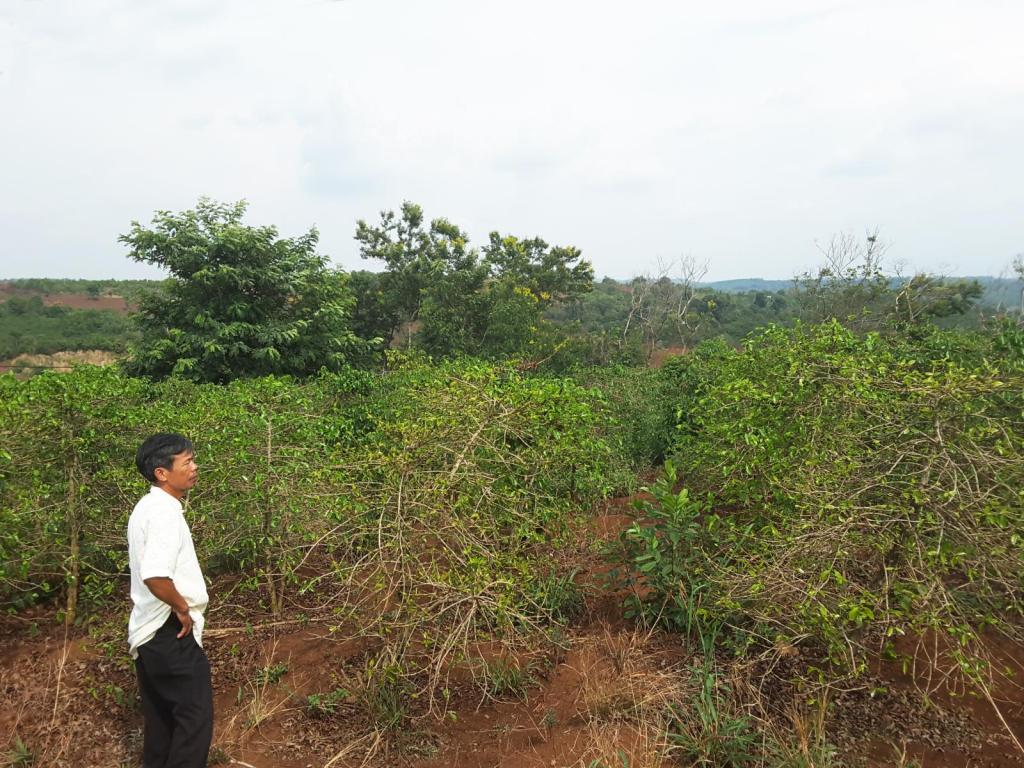
Carolina Borjas | YPFP Member | January 8, 2025 | Photo Credit: Flickr
For many, coffee is more than just a beverage; it represents a cherished ritual that energizes our daily lives and fosters connections with others. However, beneath the surface of this beloved drink lies an urgent crisis that threatens not only our enjoyment but also the health of our planet. Climate change presents a significant challenge to coffee production, underscoring the need for collective action to safeguard our environment.
Envision a future where coffee becomes a rare luxury, accessible only to a select few. With current coffee prices already reaching unprecedented levels, experts caution that this trend will intensify unless proactive measures are taken. Projections indicate that by 2050, the regions suitable for coffee cultivation may be halved, potentially resulting in a financial crisis for millions of farmers in developing countries who rely on coffee as their primary livelihood.
While we cherish our morning rituals, they carry a cost—a cost that escalates due to the severe effects of extreme weather events. Droughts, worsened by climate change, have shown to significantly impair coffee supply and drive prices even higher with major suppliers such as Brazil being severely impacted. Additionally, detrimental practices such as deforestation and “slash-and-burn” agriculture further exacerbate the situation, harming ecosystems and diminishing the quality and availability of coffee beans.
In September, Brazil’s National Center for Monitoring and Early Warning of Natural Disasters issued a stark warning, declaring the nation was facing “the most intense and widespread drought in history.” Nearly 60 percent of the agricultural region is under severe stress as the combined effects of El Niño and climate change elevate temperatures across South America. Compounding this crisis, years of rampant deforestation have disrupted rainfall patterns, diminishing the land’s ability to retain moisture, as reported by The Washington Post.
The connection between drought and wildfire has also become critically apparent. Over the past year, Brazil has experienced devastating wildfires driven by the controversial “slash-and-burn” farming technique, which involves cutting and incinerating forests to clear land for agriculture. This practice ignites fierce blazes that ravage coffee, sugarcane, and fruit yields and contribute further to the climate crisis.
The arabica bean, the most widely consumed coffee variety, is particularly susceptible to these climatic shifts. Thriving in the sheltered, most environments of tropical regions, arabica grows best within temperatures of 64 to 70 degrees Fahrenheit – a 2022 study predicts rising temperatures will push vital coffee-growing areas in Eastern Brazil and Southeast Asia beyond this optimal range. While certain regions in East Africa, Asia, and South America might gain some benefit from these shifts, most need to be equipped with the necessary infrastructure to support expanded coffee cultivation without aggravating deforestation.
While these locations are far away from the average consumer, their effects can be felt in the wallets of those waiting in line for their coffee all over the world. This year alone, Arabica bean prices skyrocketed nearly 70 percent on the New York Stock Exchange, peaking at $3.35 per pound last week. Big corporations such as Nestle SA have reacted by making their products smaller and more expensive. Meeting the ever-growing demand for coffee has never been more of a challenge as the supply of “black gold” in our cups begins to shrink.
It is imperative to recognize that our choices carry weight. Each cup of coffee we consume is associated with a complex production chain that has direct implications for our planet. As informed consumers, we possess the capacity to shape the future of coffee production. By making mindful purchasing decisions and endorsing sustainable practices, we can contribute to a healthier planet and a stable coffee supply for future generations.
Ultimately, the matter extends beyond coffee; it involves the stewardship of the Earth that sustains us all. We must shift our perspective regarding our resources, moving from a view of the planet as an infinite supply to an acknowledgment of its fragility. The interconnection between our consumption patterns and environmental health is crucial. Each decision we make can create ripples throughout the coffee supply chain—let us ensure those ripples foster a sustainable future.
Carolina Borjas is a public affairs professional with a diverse portfolio of clients in technology, telecommunications, Latin American affairs, environmental justice, healthcare and more. She holds an MA in Conflict, Security, and Development from King’s College London and a BA in International Studies and French Studies from Pepperdine University.


 Charged Affairs