By Patrycja Jasiurska | Rising Expert on Multilateralism and Diplomacy | June 15, 2025
Born out of the ashes of global war, United Nations multilateralism was designed to replace power rivalry with collective responsibility, giving every nation a voice in shaping world order. Today, the organisation seems to have its best days behind it. With the United States pulling out of international agencies, funds and agreements and the EU growing resentful of the UN’s incapacity to address the Russian invasion of Ukraine, the United Nations is facing a growing crisis of credibility and relevance. Despite the bleak outlook, however, this troubled organisation is worth fighting for. A lifeline for the world’s most important international organisation may lie in the rising engagement from the Global South.
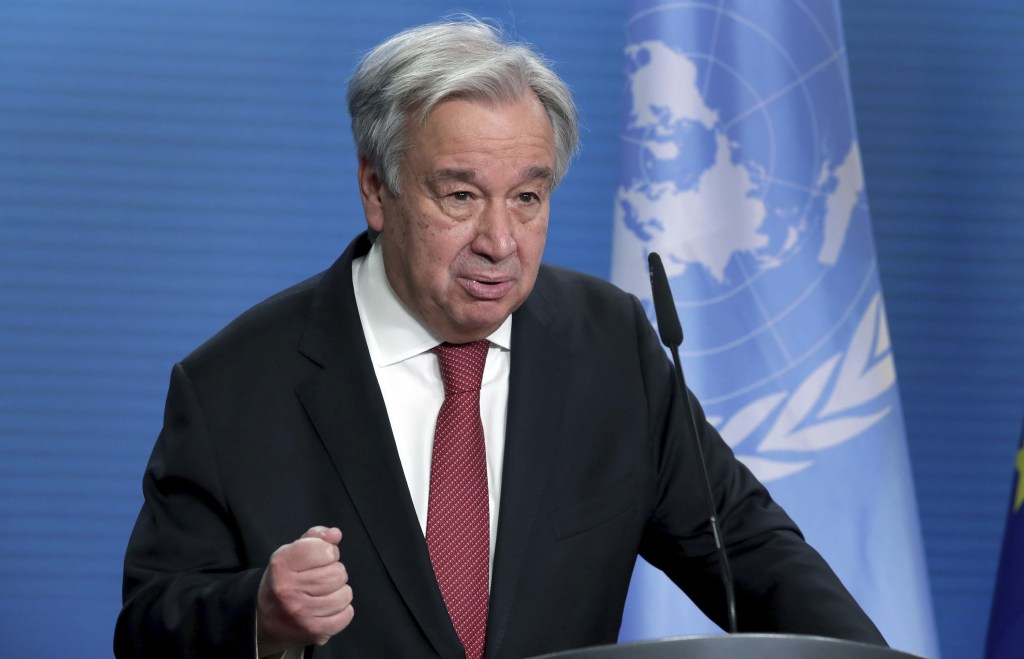
Soon after retaking power in the White House, President Trump withdrew from major UN agencies and cut international funding. Unfortunately, he’s not the only one contributing to the UN’s death by a thousand cuts. European countries are growing resentful of the UN’s inability to stop and sanction the Russian aggression in Ukraine. The resolutions addressing the situation are being blocked, making it impossible to set up a war tribunal under the UN auspices. In response, European leaders have resorted to alternative plurilateral agreements to circumvent that. Some countries are even considering withdrawal from the international mine treaty, symbolising a major shift in priorities. With multilateralism’s main guardian angels having a change of heart, it seems like the UN doesn’t have much going for it. Moreover, the UN faces a funding crisis, with many member states paying their fees late or not at all. If it continues, the United Nations Secretary-General, Antonio Guterres, warns that the peacekeeping budget may run out by mid-year.
Why we need the United Nations
If the UN were to disappear, the world would lose much more than diplomatic speeches and adjourned summits. The UN plays an essential role in coordinating emergency aid, peacekeeping, and climate change negotiations. But its key critical advantage we often take for granted is its role as a major global provider of reliable data. In an era of disinformation and geopolitical rivalries, UN agencies offer a neutral, widely trusted source of statistics, analysis, and monitoring. Without this, international discourse would devolve into conflicting claims, with no shared basis for action. From verifying human rights violations to measuring the scale of refugee crises, UN-backed data serves as the baseline for truth in international affairs.
For instance, when violence erupted in Myanmar’s Rakhine State in 2017, the government claimed it was carrying out legitimate counterterrorism operations and denied targeting civilians. Without access to independent media, these denials obscured understanding and delayed response. But the UN stepped in to provide credible data on displacement and mass killings, which became the basis for a consensus on ethnic cleansing. The data prompted international sanctions, aid, and further monitoring. Without the UN’s reliable data, Myanmar’s official narrative might have continued to downplay the issue, leaving one of the 21st century’s worst human rights crises without international recognition and action. Without this data, international cooperation would be paralysed by disagreement over the very facts that should guide our response.
The Global South and the Future of Multilateralism
On a more positive note, if we zoom out from the Western-centred perspective, we can see some hopeful supporters of the multilateral order. For instance, Global South nationals are increasingly present in the leadership of UN agencies, with leaders from China, Togo, Ethiopia, and Malaysia heading major UN agencies like the FAO and WHO. The trend of the southern hemisphere continuously stepping up its engagement in multilateralism is evident. Like the EU, the G77—a coalition of developing countries—still believes that multilateralism remains a fundamental and crucial mechanism for addressing our common challenges. African leaders continue the push for greater inclusion in the United Nations Security Council. Countries like Nepal, Rwanda and Bangladesh are among the top contributors to peacekeeping forces while China is one of the main funders of the overall UN budget.
While the sustained involvement of the Global South brings hope for the UN’s continuity, the worry remains that the United States and Europe may not want to keep their involvement in an organisation that no longer feels “theirs.” They played a major role in setting up the organisation after World War II. Despite the UN being an inclusive international body, it was founded on liberal ideals, such as democracy, individual rights and the responsibility to protect. Countries in the Global South (especially China) stepping up their role in the UN may mean the revision of these values towards sovereignty, non-interference and the right to development. There are concerns that this shift will drive the West further away from the organisation.
Yet that would make their claim to be the defender of rules-based global cooperation ring hollow. The optimistic scenario would be to hope that the rising Chinese involvement in the UN will inspire other countries to uphold their engagement for the sake of balance and preservation of influence. Global leaders should ensure that this recalibration of UN involvement between the Western and Southern hemispheres leads to revised yet continued cooperation rather than progressing fragmentation.
While the UN often fails to act decisively on many pressing political issues, the international community shouldn’t discard it. As a baseline, it provides coordination on the emergency humanitarian matters and the data that are fundamental in building a common world perception, which is at least the first step to addressing global challenges together.
Patrycja Jasiurska (she/her) is the 2025 Rising Expert on Multilateralism and Diplomacy. She holds an MSc in Public Policy at University College London and EU International Relations and Diplomacy at College of Europe. She currently works as an international cooperation assistant at the European Commission. The views of the author do not represent those of her employer.
 Charged Affairs