Brandon Gauthier | YPFP Member | March 3, 2025 | Photo Credit: Flickr
Despite years of concerted American pressure, Nicolás Maduro remains atop his bloody throne in Caracas. His sham inauguration on January 10 marked a low point for the credibility of American power in the region at a time when its resolve—from Ukraine to Afghanistan—is already in question.
At no point during America’s pressure campaign has Maduro’s grip on power appeared genuinely challenged. Not when he deceived American negotiators in Barbados, not when his agents detained the Venezuelan opposition leader under gunfire, and not as his regime murders and imprisons thousands, forcing millions to flee and creating a migrant crisis that now ripples through the hemisphere and destabilizes American domestic politics.
The United States has imposed sanctions, rallied the international community, and supported Venezuela’s domestic democratic opposition to weaken Maduro’s hold on power. Why, then, despite the sustained efforts of the world’s most powerful country, does his regime persist?
The answer is oil wealth, enabled by a key American corporation that the U.S. government has the power to force out of Venezuela: Chevron.
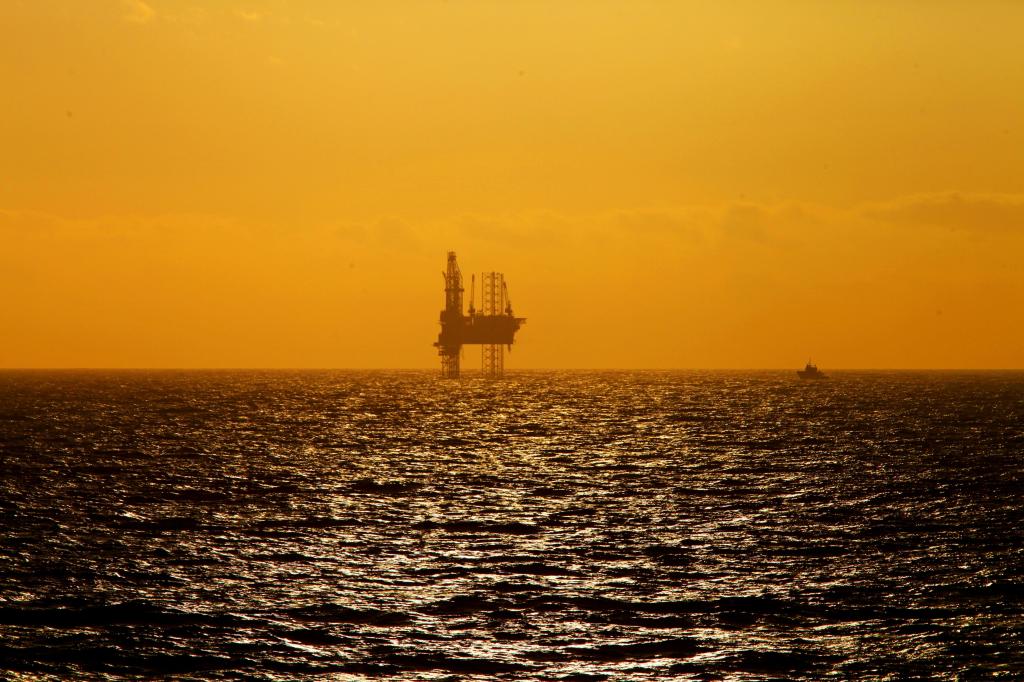
While U.S. sanctions target much of Venezuela’s oil sector, the White House issues key permit licenses to Chevron, allowing it to continue operations in partnership with the state-owned oil company PDVSA, which is part of the Chavista regime and directly complicit in the government’s abuses. Chevron’s operations supply a crucial financial lifeline to Maduro’s regime, enabling him to buy the loyalty of Venezuelan political and military elites, even as the average Venezuelan falls deeper into poverty.
While the specific agreements governing Chevron’s revenue sharing with the Chavista regime are opaque, it is known that the American multinational’s operations yield approximately 200,000 barrels of oil per day. The sale of this oil generates profits that fund Venezuela’s police state and military cooperation with Russia and Iran. Maduro relies on this relationship with Chevron and he wants to cement it until 2047.
Political science teaches that authoritarian regimes typically collapse due to elite defection, often resulting in coups. To suppress the threat of revolution arising from the suffering masses below, dictators must keep the regime’s key players united and prevent divisions within the government that the opposition and protest movements can exploit.
To achieve this, tyrants like Maduro “distribute rents” — or engage in corruption — to make it financially beneficial for elites to protect the autocrat. Without his oil revenue, Maduro’s regime would find itself plagued by anxiety as key supporters in the military and bureaucracy peel off and oppose him. If he loses the ability to keep his cronies satisfied, Maduro’s days will be numbered.
Oil revenues from Chevron’s operations could rebuild Venezuela and enable the return of millions of exiles and refugees. Instead, they are siphoned off to enrich Maduro’s authoritarian coalition. Chevron’s operations are not a neutral matter of business; they are a cog in the machinery of suffering that the Chavista regime imposes on its people and the entire hemisphere through a humanitarian crisis of staggering proportions.
Chevron could own up to its moral responsibility and withdraw from Venezuela, but that is unlikely, given that its operations already starkly contrast with its supposed human rights commitments. If the corporation has not been disturbed by its moral failings so far, it will not be in the future.
The most viable course of action is for the White House to terminate the licenses that allow Chevron to keep its oil production open in Venezuela. It is unconscionable that one of America’s most preeminent companies sustains the survival of an immoral regime—one that openly challenges and threatens the United States. Chevron must leave Venezuela, and the United States has the power to force it.
Brandon Gauthier is a senior at Princeton University studying politics with a focus in International Relations.